The Silent Burnout of Immigration in Europe — Nobody Talks About This Part
Why Thousands of Immigrants Quietly Struggle Even After “Making It” in Europe
There’s a strange moment that happens to many immigrants in Europe.
It usually comes quietly.
Not on the day you arrive. Not when you get your visa. Not even when you finally receive your residence card.
It happens later.
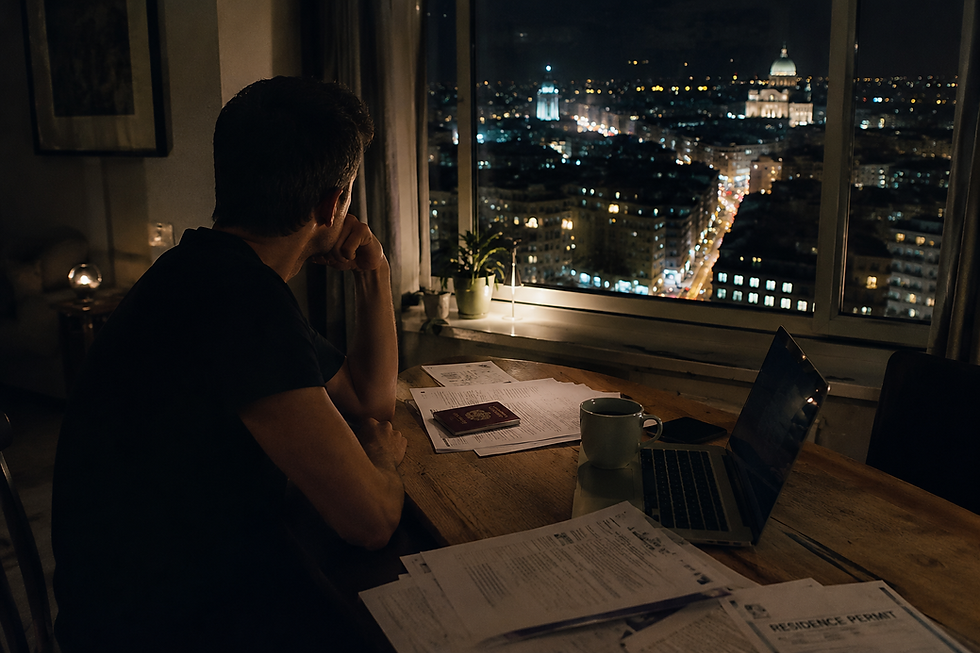
Sometimes after a year. Sometimes after three. Sometimes after you finally have:
a job
documents
an apartment
stability
healthcare
a routine
And then one day you suddenly realize:
“Why do I still feel tired all the time?”
Not physically.
Emotionally.
And honestly? Almost nobody talks about this side of immigration.
Social media shows:
airport videos
coffee shops in Europe
aesthetic apartments
train rides
salary screenshots
success stories
But almost nobody talks about:
silent burnout
emotional adaptation
identity exhaustion
long-term loneliness
permanent uncertainty
feeling emotionally split between two worlds
And yet this becomes reality for a huge number of immigrants.
Not because Europe is terrible.
And not because immigration was a mistake.
But because building a completely new life from zero changes people much more deeply than most expect.
The Part Nobody Prepares You For
Before moving to Europe, most people prepare documents.
They research:
visas
work permits
salaries
apartments
taxes
insurance
transportation
But very few people prepare psychologically.
Nobody really explains what it feels like to:
rebuild your identity
lose your old social environment
constantly function in another language
spend years inside bureaucracy
slowly become a different version of yourself
And honestly, this emotional pressure accumulates quietly.
At first you don’t notice it.
Because survival mode keeps you moving.
You’re busy with:
paperwork
jobs
adaptation
legal status
finding stability
But eventually life becomes calmer.
And that’s often when the emotional fatigue finally catches up.
Europe Is Comfortable — But Comfort Doesn’t Automatically Create Happiness
This is one of the biggest misunderstandings about immigration.
Especially online.
People often imagine Europe as:
peace
safety
stability
work-life balance
clean streets
functioning systems
And yes — many of those things are real.
But comfort and emotional belonging are not the same thing.
You can live in a safe country. Have documents. Earn decent money. And still sometimes feel completely disconnected.
A lot of immigrants discover that Europe solves many practical problems.
But emotional adaptation is a completely separate process.
And sometimes a much harder one.
The Loneliness Nobody Warns You About
This part hits many immigrants unexpectedly.
Especially people coming from:
Eastern Europe
Latin America
the Middle East
post-Soviet countries
highly social cultures
Because in many parts of Europe, life is more private.
People are polite. Respectful. Calm.
But social circles can feel very closed.
Friendships develop slowly. People rarely invite others into their personal life quickly. Neighbors may barely speak. Coworkers stay coworkers.
At first many immigrants interpret this as coldness.
Later most realize:
it’s simply a different culture.
But adaptation still takes time.
And during that period, many immigrants experience a level of loneliness they never expected.
Especially during:
dark winters
paperwork problems
holidays away from family
language struggles
stressful legal situations
The Permanent Background Stress of Immigration
Even successful immigrants often live with low-level anxiety for years.
People rarely talk about this openly.
But many immigrants constantly think about:
visa renewals
permit expiration dates
legal status
work contracts
losing employment
changing immigration rules
bureaucracy mistakes
Even after becoming stable.
Even after years.
And honestly, this creates a kind of emotional exhaustion that’s hard to explain to people who never immigrated.
Because part of your brain is almost always monitoring:
“What if something goes wrong?”
Immigration Quietly Changes Your Personality
This is another part nobody really explains.
Over time many immigrants notice:
they react differently
think differently
communicate differently
become calmer
become more emotionally reserved
stop rushing
stop arguing
stop expecting instant results
Europe slowly changes people.
Not because someone forces you.
But because daily life itself changes your rhythm.
And one day you realize:
your home country feels different
your old mentality feels different
even your conversations with old friends feel different
And honestly? That realization can feel strange.
Sometimes painful.
Because immigration often creates a feeling of:
“I no longer fully belong to either place.”
Social Media Almost Never Shows This Reality
Because honestly? This part is difficult to monetize.
It’s easier to show:
airport reels
European cafés
“day in my life abroad” content
travel aesthetics
salary comparisons
It’s much harder to show:
emotional exhaustion
silent adaptation stress
loneliness
identity confusion
years of uncertainty
And because of that, many immigrants secretly think:
“Maybe I’m the only one struggling like this.”
But they’re not.
Not even close.
Europe Is Slowly Becoming Emotionally Different Too
Another thing many immigrants notice after several years:
Europe itself is changing.
Life feels:
more digital
more isolated
more expensive
more individualistic
more bureaucratic
more monitored
And many long-term immigrants quietly admit:
adaptation today feels harder than it did 10 years ago.
Not impossible.
But emotionally heavier.
Especially for people trying to build long-term lives completely from zero.
Burnout Doesn’t Always Look Dramatic
This is important.
Immigrant burnout rarely looks like a movie scene.
Usually it looks much quieter.
It looks like:
losing motivation
emotional numbness
avoiding people
constantly feeling tired
losing excitement about the country
working without feeling connected to life
functioning, but not really enjoying anything
And because many immigrants are in survival mode for years, they often ignore these signs completely.
The Dangerous Pressure to “Be Grateful”
This is another thing people rarely discuss honestly.
Many immigrants feel guilty for struggling.
Because externally their life may already look “better.”
So they tell themselves:
“I shouldn’t complain.”
“Other people have it worse.”
“I chose this.”
“I should just work harder.”
But emotional adaptation doesn’t work like that.
A person can appreciate Europe and still struggle emotionally at the same time.
Those things are not contradictory.
The People Who Adapt Best Usually Do One Important Thing
They stop trying to survive Europe.
And slowly begin learning how to actually live there.
That usually means:
building routines
creating friendships
accepting slower progress
learning the language properly
finding emotional balance
stopping constant comparison with home
allowing themselves to change
And honestly? This process often takes much longer than people expect.
Sometimes years.
The Most Important Thing Nobody Says About Immigration
Eventually many immigrants discover something surprising.
The hardest part of immigration was never really:
visas
bureaucracy
paperwork
taxes
legal procedures
The hardest part was:
rebuilding a sense of belonging.
And honestly? That’s a much deeper process than most people imagine before moving.
Reality Check
Europe is not paradise.
But it’s also not the disaster many frustrated people online describe.
It’s simply a completely different way of living.
And immigration is not only about changing countries.
It’s about changing:
habits
expectations
emotional patterns
identity
relationships
even your understanding of what “home” means
That transformation can be beautiful.
But it can also be emotionally exhausting.
And pretending otherwise helps nobody.
Final Thoughts
A lot of immigrants quietly carry emotional weight that nobody sees.
Because from the outside, life may already look successful.
But internally many people are still adapting long after the documents are approved.
And honestly? Maybe this conversation is finally becoming important.
Because immigration is not only a legal process.
It’s also a psychological one.
And the more honestly people talk about that reality,


Komentarze